What Your Hotel Concierge Does in the First 24 Hours Tells You Everything You Need to Know
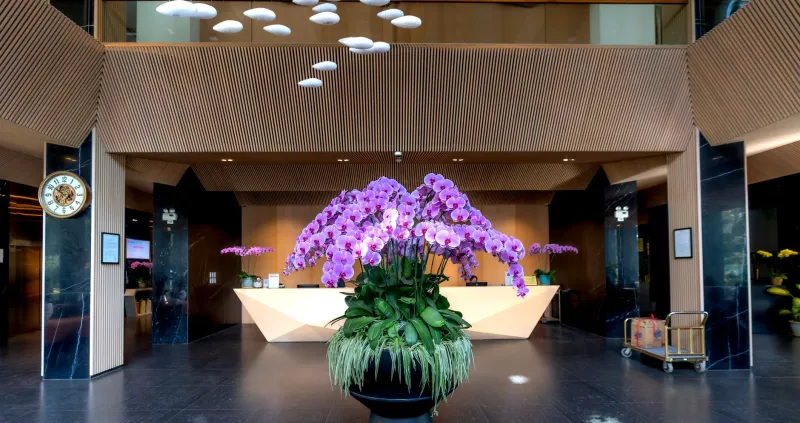
You've landed in Langkawi. You've cleared customs at LGK, grabbed your bags, and you're finally pulling up to the hotel you booked three months ago. The lobby looks great. The check-in staff is smiling. The air conditioning feels like heaven after that layover in Kuala Lumpur.
But here's the thing nobody tells you before your first trip to Malaysia: the lobby is the easy part. Any hotel can look good when nothing has gone wrong yet.
The real question — the one that determines whether your trip is genuinely smooth or quietly frustrating — is what happens when you actually need something. And the fastest way to find out? Run what experienced travelers quietly call the concierge test.
It's not a trick. It's not confrontational. It's just a series of intentional interactions in your first 24 hours that tell you exactly how much you can rely on your hotel when it counts.
Why the Concierge Is Your Most Important Hotel Relationship
In Langkawi specifically, having a good concierge relationship matters more than it might at a domestic hotel back home. You're navigating a different language, a different currency, a transportation system that doesn't run like Uber in Chicago, and a local food scene where the best spots often don't have a website or an OpenTable listing.
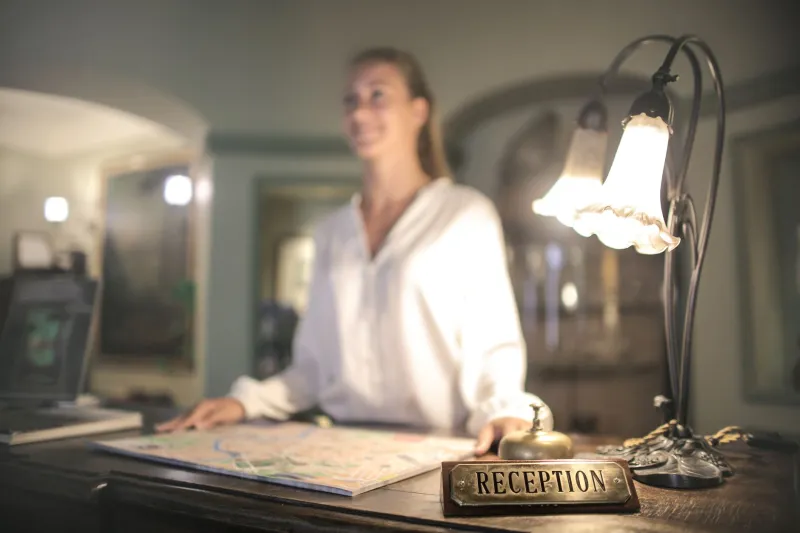
A great concierge bridges all of that. A mediocre one just hands you a laminated tourist map and points at the gift shop.
The difference between the two isn't always obvious at check-in. That's why you need to probe a little — politely, naturally — within the first day.
The First Test: Ask About Dinner That Same Night
Right after you check in, before you even head to your room, stop at the concierge desk and ask for a dinner recommendation for that evening. Not a hotel restaurant. Somewhere local, somewhere good, somewhere worth the experience.
Then pay close attention to how they respond.
A weak concierge will pause, flip through a printed sheet, and name two or three places that are almost certainly paying for the referral. They might not know the cuisine, the price range, or whether it's actually busy on a Tuesday night.
A strong concierge will ask you a question back. What are you in the mood for? Seafood? Something more traditional Malay? Are you traveling with kids? How adventurous are you feeling? They'll make an actual recommendation — not a list — and they'll offer to call ahead. That last part is the tell. If they offer to call the restaurant on your behalf, they know the place, and they know people there.
This single exchange tells you an enormous amount about the service culture of the hotel you're in.
The Second Test: Ask Something Slightly Complicated
The next morning, come back with a request that requires a little coordination. Something like arranging a boat trip to one of the smaller islands, or getting a private driver for a half-day tour of the interior. Maybe you want to find a good spot to watch the sunset with a drink in hand somewhere that isn't overrun with tour groups.
Again, watch the response.
Do they handle it themselves, or do they immediately redirect you to a tour desk that functions more like a sales counter? Do they give you an honest read on what's worth your time and what's touristy filler? Do they follow up, or do you have to chase them down?
Hotels that genuinely invest in their concierge staff train them to own the guest experience, not shuffle it off. If your concierge is already passing the buck on day one, you can safely assume that pattern holds when something actually goes sideways.
The Third Test: Mention a Problem (Even a Small One)
This one feels a little awkward, but it's worth doing. Find something minor to flag — the Wi-Fi in your room is slow, the shower pressure is low, you'd prefer a different pillow firmness, whatever. It doesn't need to be a big deal. You're not complaining. You're observing.
How fast does the hotel respond? Do they apologize once and disappear, or do they follow up to confirm it's been resolved? Does anyone check in with you later that day?
Service recovery is one of the clearest signals of hotel quality. Almost every hotel will have a small hiccup at some point during a multi-day stay. The ones worth coming back to are the ones that treat a guest's inconvenience like it actually matters — not just in the moment, but through to resolution.
What Good Answers Actually Sound Like
In case you're not sure what you're listening for, here are a few markers of a concierge who's going to make your Langkawi trip significantly better:
- They use your name. Small thing, big signal. It means they looked at your reservation and paid attention.
- They volunteer information you didn't ask for. "You're going to Pantai Cenang tomorrow? Go early — it gets crowded by 10am, and parking is a nightmare after that."
- They know the difference between what tourists do and what's actually good. If they're steering you toward the Sky Bridge and the cable car for every single activity, they're running a script.
- They're honest about the hotel's limitations. A concierge who admits "our spa is solid but for a real treatment, there's a place in Kuah that's half the price and twice as good" is a concierge you can trust.
Why This Matters More Than Any Review You Read Before You Booked
Tripadvisor and Google reviews are useful, but they're backward-looking. They tell you what someone else's experience was like, often months or years ago, often filtered through whatever mood they were in when they typed it.
Your first 24 hours in the hotel give you real-time data. You're not reading about someone else's trip — you're actively experiencing yours. And if the concierge isn't performing well when everything is fine and you have zero urgent needs, imagine how they'll perform when you've missed a ferry connection, someone in your group is sick, or you need a pharmacy at 9pm on a Sunday.
Langkawi is genuinely one of the most beautiful places in Southeast Asia. The beaches are real. The food is real. The sunsets are absolutely real. But your ability to access all of it — to actually get the most out of the island — is directly connected to whether the people at your hotel are genuinely invested in your experience.
Give them 24 hours to show you who they are. They will.
And if the test results aren't great? You've still got time to adjust your expectations, lean on other resources, and stop waiting for help that probably isn't coming. That's useful information too.