Monsoon Season in Langkawi Is Actually Kind of Amazing — Here's Why Smart Travelers Are Booking It on Purpose
There's a piece of travel advice that gets passed around in every Southeast Asia Facebook group, Reddit thread, and well-meaning friend's living room: Don't go to Langkawi during monsoon season. Just... don't. Book somewhere else. Wait it out. Come back in December when the skies are blue and the Instagram photos look like screensavers.
Here's the thing, though. That advice? It's mostly wrong. Or at least, it's a lot more complicated than a blanket "avoid it" suggests — and thousands of travelers who've bought into that narrative are missing out on one of the best versions of this island.
Let's talk about what's actually going on during Langkawi's so-called off-season, because the real picture is a lot more interesting than the weather app on your phone would have you believe.
First, What Is Langkawi's Monsoon Season, Really?
Langkawi sits on the northwestern tip of Malaysia, and its weather patterns are shaped by two monsoon systems. The Southwest Monsoon runs roughly from May through September, bringing heavier rainfall to the island's west coast. The Northeast Monsoon, which hits harder on peninsular Malaysia's east coast, barely grazes Langkawi at all.
What that means in practice: yes, from around late May through September, you'll see more rain. But "more rain" in Langkawi is not the same thing as "constant, vacation-destroying downpour." The island averages around 2,500 millimeters of rain annually, and most of it falls in short, dramatic bursts — think an intense hour of tropical rain in the afternoon, followed by a gorgeous, washed-clean sunset. This is not the gray, week-long drizzle you get in Seattle or Portland. It's tropical rain. It's actually kind of spectacular.
Meanwhile, mornings are often perfectly sunny. Beaches are swimmable. Tours run. Life goes on. The difference between peak season and monsoon season is less dramatic than the travel industry wants you to believe.
The Pricing Gap Is Real — and It's Substantial
Let's talk dollars, because this is where the wet season case gets genuinely compelling.
During peak season — roughly November through March — Langkawi's best resorts fill up fast and charge accordingly. Five-star overwater bungalows and beachfront villas that would set you back $400 or $500 a night in December can be found for $200 to $280 during the quieter months. Budget and mid-range hotels see similar swings, sometimes offering rates 30 to 50 percent lower than their peak pricing.
Flights follow the same logic. Positioning your trip during the shoulder or off-season often means cheaper airfare from major US hubs, especially if you're routing through Kuala Lumpur or Singapore. When you add it all up — flights, accommodations, the general loosening of prices that happens when demand drops — a monsoon-season trip to Langkawi can cost meaningfully less than the same trip in high season. That's real money you could spend on an extra night at a nicer property, a private island excursion, or just more of the ridiculously good seafood.
The Crowd Situation Changes Everything
Here's something that doesn't get talked about enough: Langkawi during peak season is busy. Cenang Beach fills up. The cable car has lines. Popular restaurants run waits. The island's duty-free reputation draws serious shopping crowds from mainland Malaysia and neighboring countries, and during school holidays, family tourism spikes hard.
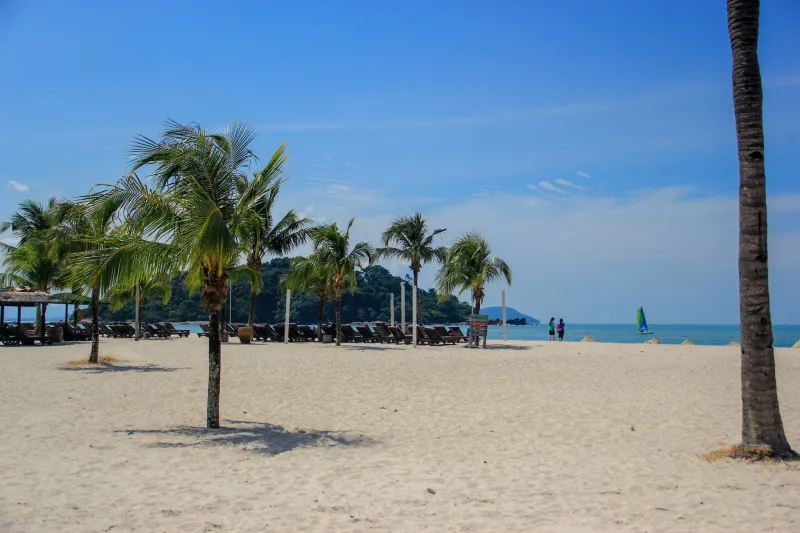
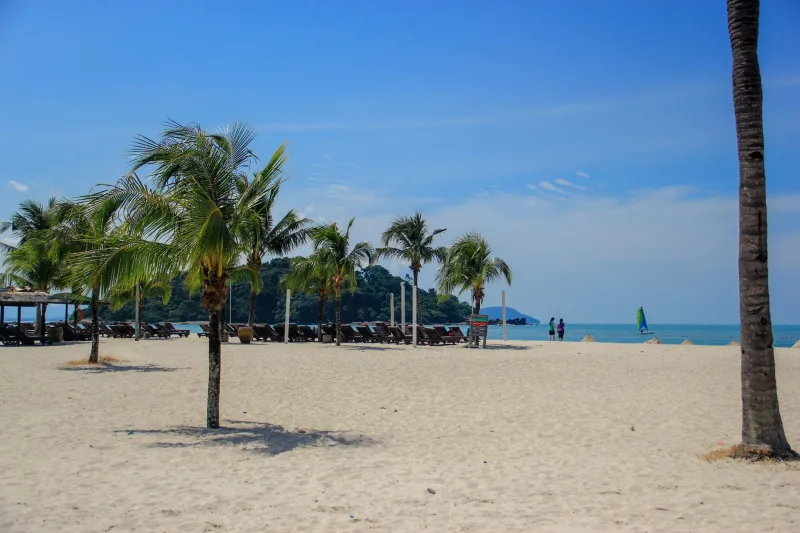
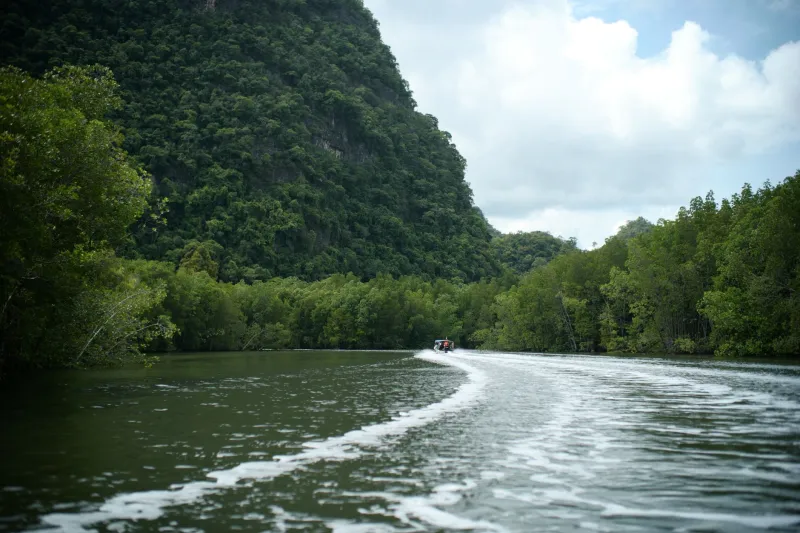
Monsoon season flips all of that. The beach in front of your hotel might actually be yours. You'll get a table without a reservation. The jungle trails feel like they were designed for you specifically. The mangrove kayak tours aren't fighting for space on the waterways. If you've ever gone to a beloved destination and felt like you were experiencing it through a crowd rather than actually experiencing it, you know exactly why this matters.
There's a specific kind of peace that comes from a beautiful place not being at capacity, and Langkawi in the off-season delivers that in full.
The Rain Actually Adds Something
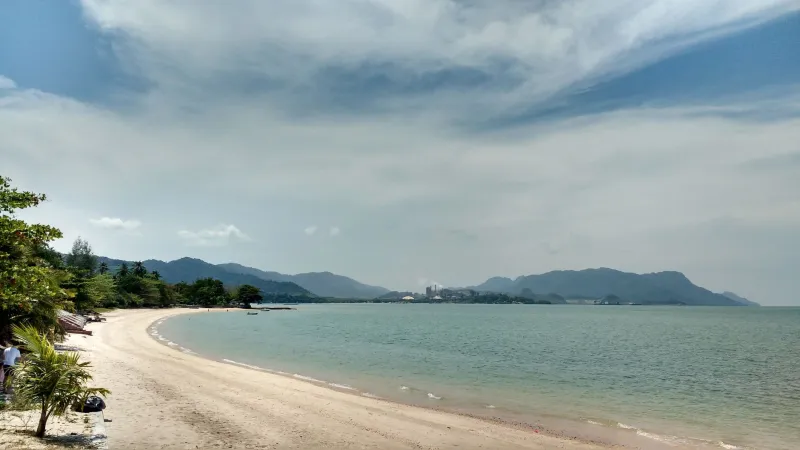
This might sound like spin, but hear it out: the wet season version of Langkawi is genuinely more beautiful in some ways. The jungle is more intensely green. Waterfalls — and Langkawi has some incredible ones — run fuller and more dramatically. The air smells different after a rain, that particular tropical mix of earth and ocean that you can't manufacture. Clouds build over the mountains in ways that make for genuinely dramatic landscape photography.
The island's interior, which is mostly ancient rainforest, comes alive during the wetter months in ways that a dry-season visitor simply doesn't see. If you're someone who actually cares about nature — not just beach-laying, but the real ecological richness that makes Southeast Asia remarkable — the monsoon months are arguably the better time to visit.
What You Should Actually Plan Around
None of this means you should go in completely blind. A few things are worth knowing:
Boat tours to the outer islands can be affected by rougher seas, particularly in the peak monsoon weeks of August and September. Some operators cancel tours on bad weather days. Build flexibility into your itinerary rather than booking a rigid day-by-day schedule.
Check specific hotel cancellation policies. The good news: most hotels in Langkawi are well aware of the weather variability and offer flexible booking terms during off-season. This is another advantage of traveling during this period — properties are motivated to work with you.
Morning activities, afternoon flexibility. Structure your days to take advantage of the typically clearer mornings. Save spa time, indoor dining, and lazy hammock reading for the afternoon rain window. This is honestly not a bad way to pace a vacation regardless of the weather.
The shoulder months are the sweet spot. If you want the best of both worlds — lower prices and crowds without maximum rain risk — May and October are worth serious consideration. You get meaningful savings and the weather is transitional rather than at its wettest.
The Authentic Angle That Nobody's Selling You
There's one more reason some travelers are deliberately choosing the off-season, and it's harder to quantify but very real: it just feels more like a place and less like a tourist product.
When a destination is running at full capacity, the experience gets optimized for throughput. Restaurants simplify menus. Resorts go into high-efficiency mode. The locals who actually live and work on the island are under more pressure and have less time for the kind of genuine interactions that make travel memorable.
In the quieter months, Langkawi breathes differently. Hotel staff have time to actually talk to you. Local restaurant owners remember you when you come back for a second meal. The island feels less like a backdrop for other people's vacations and more like somewhere you actually are.
That might not matter to everyone. But if it matters to you at all, it's worth factoring in.
The Bottom Line
The monsoon myth has been very good for peak-season pricing and not much else. The reality is that Langkawi's wet season is a legitimate travel option for Americans who do a little homework, stay flexible, and are willing to trade a small amount of weather certainty for significant gains in cost, space, and experience quality.
The island doesn't disappear when it rains. It just gets a little quieter, a little greener, and a whole lot more affordable. That sounds like a pretty good deal from where we're standing.