Skip Phuket: Here's Why Smart American Travelers Are Choosing Langkawi Instead
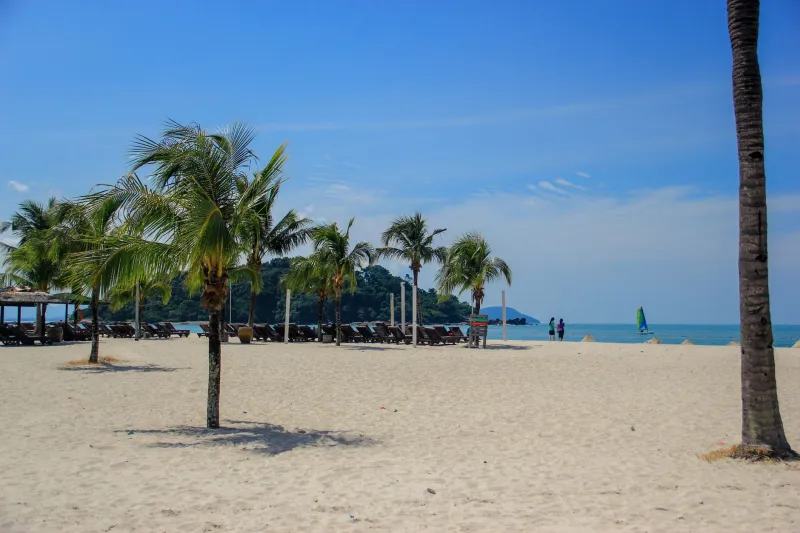
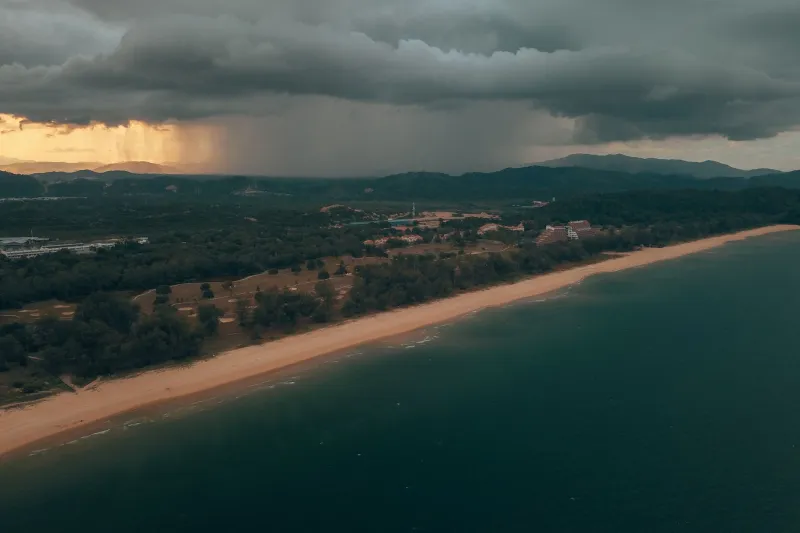
Let's be honest. Phuket has a branding problem. The Thai island that once appeared on every bucket list now shows up on travel forums under phrases like "overcrowded," "overpriced," and "not what it used to be." Meanwhile, a few hundred miles south, Langkawi is quietly doing everything Phuket promised — crystal-clear water, dramatic limestone scenery, incredible food — without the chaos. And American travelers who've made the switch aren't going back.
The Visa Situation Is Already Settled (In Langkawi's Favor)
Here's something most US travelers don't realize until they're already booking flights: Americans get 90 days visa-free entry into Malaysia, no application required, no fees, no standing in line at an embassy. Thailand offers 30 days visa-free for most US passport holders, with extensions available but not guaranteed. For anyone planning a longer trip or even just wanting flexibility, Malaysia's policy is a clear win before you've even packed a bag.
That difference matters more than people think. Families doing a longer Southeast Asia loop, remote workers squeezing in some beach time, or couples taking an extended honeymoon — they all benefit from not having to manage Thai visa logistics. Langkawi's welcoming entry policy signals something broader about how the destination treats visitors.
Your Dollar Goes Genuinely Further Here
Phuket pricing has crept toward European resort territory in recent years. A decent beachfront hotel room on Patong Beach can run $200–$350 a night during peak season, and that's before you factor in the tourist-menu restaurants and tuk-tuk rides that seem to have a different rate for Western faces.
Langkawi operates differently — and the duty-free status makes a measurable difference. The island has been a duty-free zone since 1987, which means alcohol, chocolate, and a range of goods are significantly cheaper than on the Thai mainland or in Phuket. A beer at a Langkawi beach bar might cost you 60–70% less than the same drink at a Patong establishment. Meals at solid local restaurants — the kind serving fresh grilled fish and fragrant rice dishes — routinely come in under $8 per person.
Hotel value is strong too. Mid-range properties in Langkawi that would be considered genuine splurges in Phuket are priced accessibly here, and the luxury end — think private pool villas overlooking the Andaman Sea — competes favorably with comparable Thai properties on price while often feeling less corporate and more personal.
The Crowd Factor Is Real
Phuket pulls around 10 million visitors annually. Langkawi welcomes a fraction of that. What that means on the ground is tangible: you can actually find a stretch of beach to yourself on a Tuesday in January. You won't spend 45 minutes looking for a parking spot at a viewpoint. Restaurants don't require reservations three days in advance.
Pantai Cenang, Langkawi's busiest beach area, has a lively enough atmosphere for travelers who want some energy around them — beach bars, rental shops, casual restaurants lining the road. But walk 15 minutes in either direction and the crowds thin out fast. That's a fundamentally different experience from Phuket's Patong, where escaping the crowds requires renting a scooter and heading significantly out of town.
The Food Scene Is Legitimately Underrated
Thai food gets all the international press, and fair enough — it's genuinely excellent. But Malaysian cuisine, particularly the multicultural mix found in Langkawi, is one of Southeast Asia's most underappreciated food traditions. The island's population blends Malay, Chinese, and Indian influences, and that shows up beautifully on the plate.
Nasi lemak (coconut rice with sambal, anchovies, and a boiled egg) is a breakfast staple that costs about $2 at a local spot and is deeply satisfying. Char koay teow — flat rice noodles wok-fried with shrimp, egg, and bean sprouts — is a street food legend. Indian-Muslim cuisine, sometimes called Mamak food, is a uniquely Malaysian tradition you simply won't find in Thailand: roti canai with curry dipping sauce at midnight is practically a local sport.
For American travelers who love food exploration, Langkawi's culinary diversity feels like getting three cuisines for the price of one destination.
Cultural Authenticity That Hasn't Been Packaged for Tourists
This is where Langkawi quietly wins the argument. Phuket's cultural experiences — the elephant sanctuaries, the temple tours, the Thai cooking classes — are largely designed around tourist consumption at this point. That's not a knock on Thailand; it's just the reality of what happens when 10 million visitors descend on a place every year.
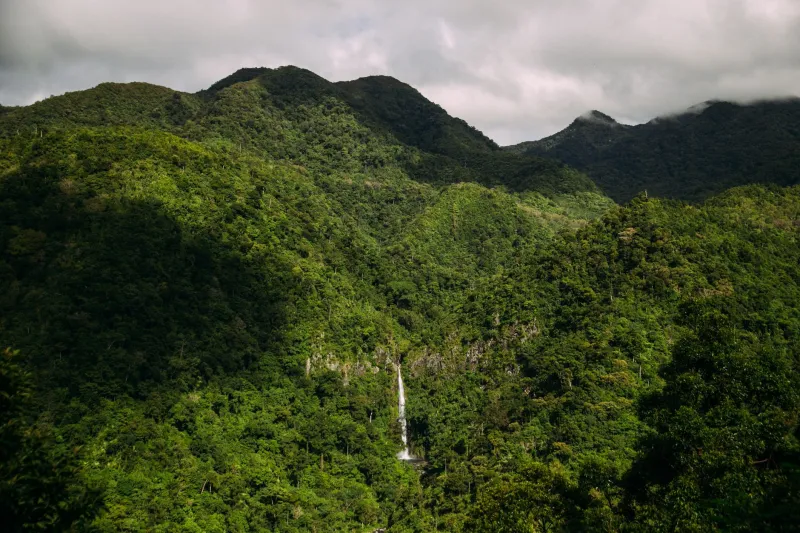
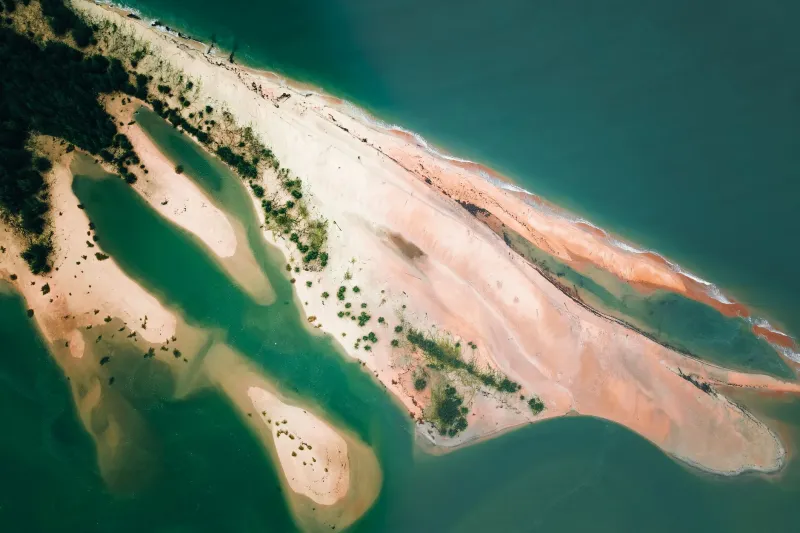
Langkawi hasn't hit that saturation point. The fishing villages on the island's quieter coasts still function as actual fishing villages. The local night markets — pasar malams — are attended mostly by Langkawi residents, not tour groups. The island's mangrove ecosystems and UNESCO Global Geopark status mean there are genuine natural experiences that haven't been smoothed into theme park versions of themselves.
There's also something to be said for the island's predominantly Muslim culture, which creates a different social atmosphere than Thailand's party-focused beach scene. Langkawi is relaxed and welcoming, but it's not trying to replicate Koh Samui's Full Moon Party energy. For travelers who want beautiful beaches without that particular scene, that's a feature, not a bug.
Getting There Is Easier Than You Think
Direct flights from the US to Langkawi don't exist, but connections through Kuala Lumpur are frequent and often competitively priced. Kuala Lumpur's KLIA airport is one of Southeast Asia's best transit hubs, and the KL-to-Langkawi leg is a short one-hour hop. Many travelers find that routing through Kuala Lumpur is actually more convenient than fighting through Bangkok's Suvarnabhumi during peak hours.
Alternatively, if you're already in the region, ferries run between Langkawi and Penang (another excellent Malaysian destination) and even across the border from Satun in southern Thailand — making Langkawi a natural addition to a broader Southeast Asia trip.
The Bottom Line
Phuket isn't bad. It's just that Langkawi is better — at least for the kind of trip most American travelers are actually dreaming about. Better value, fewer crowds, more genuine cultural experiences, and a visa policy that respects your time. The only real downside is that once you've been, it's hard to explain to friends why you'd go anywhere else in the region.