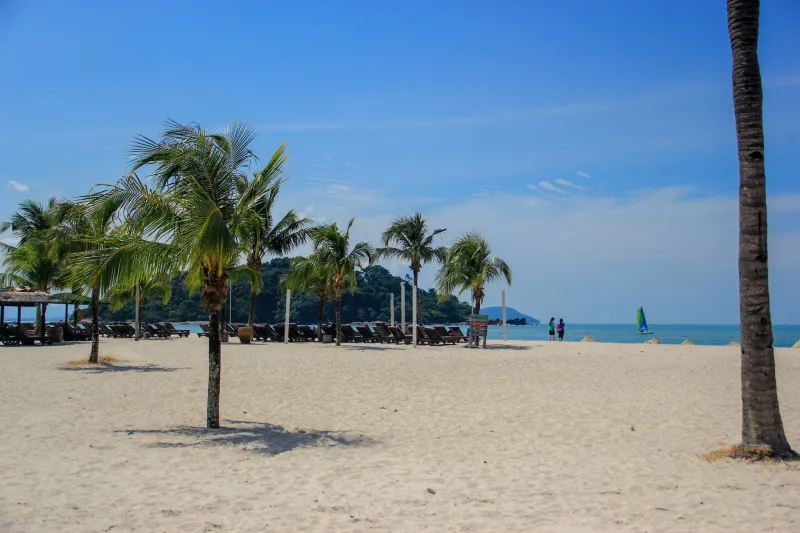
Falling for Langkawi: What American Travelers Need to Know When a Vacation Turns Into Something More
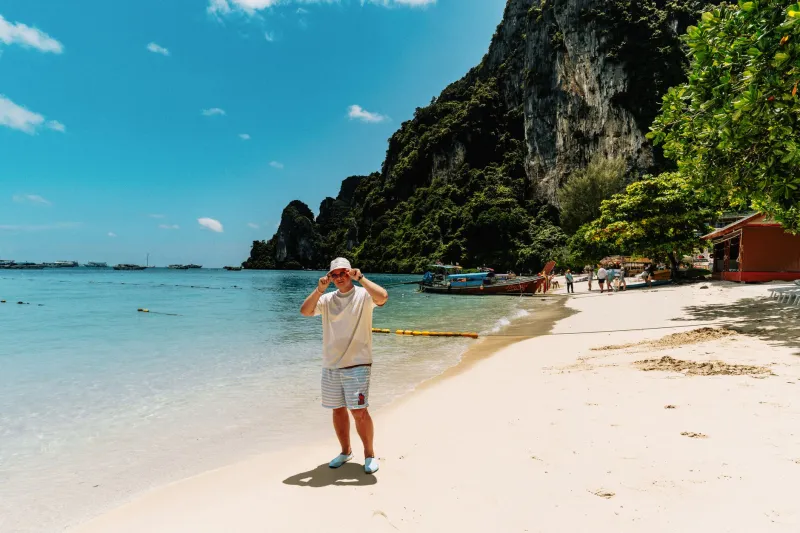
It starts the same way for almost everyone. You book a ten-day trip to Langkawi because a friend mentioned it, or you saw a photo of the Andaman Sea that looked too good to be real. Then you land, breathe in that heavy tropical air, eat your first plate of nasi lemak from a roadside stall, and something shifts. Ten days becomes three weeks. Three weeks becomes two months. And suddenly you're on a Facebook group called "Langkawi Expats" asking about sim card plans and where to find a decent dentist.
This isn't a rare story anymore. It's practically a pattern.
Americans are staying in Langkawi longer than they planned — and not just the remote-work crowd. Retirees, honeymooners who never quite left, entrepreneurs who discovered their rent budget goes a lot further here than in Austin or Denver — they're all part of a quietly growing wave of long-term American residents on this island. So what do you actually need to know if your vacation starts feeling like something else?
Why Langkawi Has This Effect on People
Let's be honest about something: Langkawi isn't your average beach destination. It's a duty-free island with a cost of living that makes most American cities feel like a fever dream. Alcohol is cheap by Southeast Asian standards (a big deal in predominantly Muslim Malaysia). The food is extraordinary and affordable. The pace is slow without feeling boring. And the natural environment — the UNESCO-listed geopark, the mangroves, the mountains that drop straight into the sea — is the kind of thing that makes people reconsider everything they thought they wanted from life.
Add to that a genuinely welcoming local culture and a solid international community, and you've got an island that's very good at making people want to stay.
The Basics: What Your Tourist Visa Actually Gets You
Here's the practical starting point. Americans visiting Malaysia receive a 90-day visa-free entry upon arrival. That's three months, which sounds like a lot — and honestly, for most trips, it's more than enough. But 90 days has a way of evaporating when you're living somewhere instead of just passing through.
Once those 90 days are up, your options get a little more complicated.
The most common short-term workaround people use is a "visa run" — hopping across to Thailand or another neighboring country and re-entering Malaysia to reset the clock. Immigration officials are aware of this practice, and while it's not technically illegal, doing it repeatedly can raise flags. There are documented cases of travelers being questioned or denied re-entry if it looks like they're using tourist entries to live in the country long-term. This isn't the kind of surprise you want at an airport.
Malaysia My Second Home (MM2H): The Long Game
If you're genuinely thinking about making Langkawi a longer chapter of your life, Malaysia's official long-stay program — Malaysia My Second Home, or MM2H — is worth understanding. It's a renewable residence visa designed for foreigners who want to live in Malaysia without working locally.
The program went through a significant overhaul in 2021, and the requirements got considerably steeper. As of the most recent guidelines, applicants need to show offshore income of at least RM40,000 per month (roughly $8,500 USD at current exchange rates), maintain a fixed deposit in a Malaysian bank, and meet certain asset requirements. There's also an application fee and a processing timeline that can stretch to several months.
That's a high bar, and it's put the program out of reach for a lot of people who might have qualified under the older, more relaxed criteria. That said, if you're a retiree with solid pension income or someone with significant savings, it remains one of the cleanest legal pathways to long-term residency in Malaysia.
It's worth noting that MM2H holders are not permitted to work in Malaysia — so if you're planning to freelance or run a business while you're there, you'll need to look into separate work pass options, which involve a whole different set of requirements.
The Digital Nomad Reality
For remote workers, the situation is a bit of a gray area. Malaysia doesn't currently have a dedicated digital nomad visa the way Portugal or Indonesia does. Many remote workers operate on tourist entries, working for foreign employers and getting paid into foreign accounts — technically not working in Malaysia in the local legal sense. But this isn't a situation with clear, written-in-stone rules, and it's not something you should assume is risk-free without doing your own research and ideally consulting an immigration lawyer.
There are legal professionals in Langkawi and Kuala Lumpur who specialize in expat immigration, and if you're planning to stay for more than a few months, spending a couple hundred dollars on a proper consultation is genuinely worth it. The cost of getting it wrong is much higher.
What the Expat Community Actually Says
Talk to Americans who've been living in Langkawi for a year or more and a few themes come up consistently. The cost of living is the first thing everyone mentions — you can rent a comfortable apartment in a quiet part of the island for a fraction of what you'd pay in most American cities. Healthcare is another big one; private hospitals in Malaysia are high-quality and dramatically less expensive than in the US, which matters a lot for retirees or anyone without great American health coverage.
The thing people are less quick to mention is the bureaucracy. Getting things done officially in Malaysia takes time and patience. Bank accounts can be difficult to open as a foreigner. Certain legal processes move slowly. If you're used to American efficiency (or at least American impatience), adjusting your expectations is part of the deal.
Practical Steps If You're Thinking About It
If Langkawi is starting to feel less like a vacation and more like a life decision, here's a reasonable starting checklist:
- Talk to an immigration lawyer before your 90-day entry expires. Don't rely on Facebook groups for legal advice.
- Research MM2H if you meet the financial requirements. It's the most legitimate long-stay option available.
- Open a foreign bank account before you leave the US if you think you'll be staying long-term. It simplifies everything.
- Get international health insurance that covers Malaysia. This is non-negotiable.
- Register with the US Embassy in Kuala Lumpur through the Smart Traveler Enrollment Program (STEP). It's free and useful if anything goes sideways.
The Bottom Line
Langkawi has a way of catching people off guard. You show up for the beaches and the sunsets and leave — if you leave — having rethought your entire relationship with where home is supposed to be. That's not a bad problem to have, but it is a problem that requires some adult planning.
The island will still be beautiful whether you stay two weeks or two years. Just make sure that if you're staying two years, you're doing it the right way.