What to Say at Hotel Checkout in Langkawi — Before the Surprise Charges Find You at Home
You've had an incredible week. The beaches delivered, the food was everything you hoped, and you're already mentally drafting the Instagram caption for your best sunset photo. The last thing you want to think about is a billing dispute.
Here's the problem: the final 24 hours at a Langkawi hotel are when most of the financial friction happens — and a lot of it doesn't surface until you're back in the US, jet-lagged, and staring at a credit card statement that doesn't quite add up.
This isn't about assuming bad faith from hotels. Most properties in Langkawi are professional and well-run. But systems have gaps, miscommunications happen, and some charges are genuinely ambiguous. Knowing what to watch for — and what to say — is the difference between a clean trip and a weeks-long back-and-forth from across the Pacific.
The Night Before: Your First Line of Defense
Don't wait until checkout morning to review your bill. Most hotels in Langkawi — especially mid-range and above — will provide a preliminary folio if you ask. Call the front desk the evening before your departure and request a printed or emailed summary of charges to date.
Go through it line by line. Look for anything you don't recognize. Common culprits include minibar charges for items you didn't consume (these get restocked inconsistently and sometimes get flagged incorrectly), spa or restaurant charges from another room, and resort fees that weren't clearly disclosed at booking.
If something looks off, address it that night — not at 5 a.m. when you're rushing to catch a flight. Night-shift staff have more time to investigate and less pressure to move you through the line quickly.
Damage Claims: What Hotels Can and Can't Do
This is the area that generates the most anxiety, and honestly, the most disputes. Hotels in Malaysia — like hotels everywhere — can charge for damage to rooms, but the rules around how and when they can do this aren't always clear to guests.
A few things worth knowing. If there's visible damage to the room that you didn't cause, report it proactively before checkout. Take photos with your phone and timestamp them. This sounds paranoid until the moment you need it, at which point it's the only thing that matters.
Most reputable Langkawi hotels won't chase minor wear-and-tear claims. But pre-existing damage that wasn't documented can become your problem if you don't flag it. The safer play is always to over-communicate on the way out.
If a damage claim does appear after you've left, you're entitled to documentation — photos, an itemized repair or replacement cost, and a written explanation. Reputable properties will provide this without being asked. If a hotel can't produce specific documentation, that's important information when you're deciding whether to dispute the charge.
At the Checkout Desk: The Three Questions to Ask
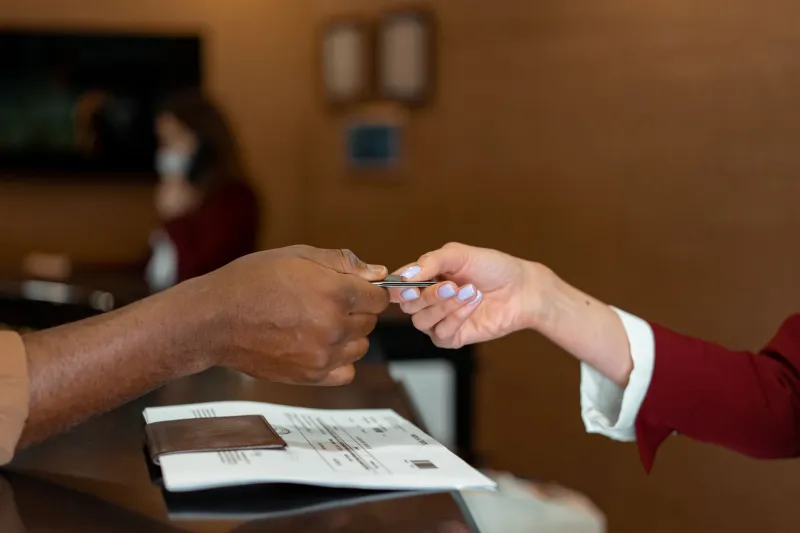
When you're standing at the front desk with your bags, there are three questions worth asking every single time, regardless of how smooth the stay felt.
First: "Is this the final total, or are there any charges still being processed?" Some properties — particularly those with multiple F&B outlets — have billing systems that can lag by a few hours. Asking this question puts the hotel on notice that you're paying attention and prompts the agent to do a more thorough check.
Second: "Can you confirm the deposit hold has been released?" Security deposits in Langkawi are commonly held for 3 to 7 business days after checkout. Knowing the timeline lets you follow up appropriately if the release takes longer.
Third: "Is there anything I need to do regarding the room before I leave?" This one sounds like a formality but it's actually useful. If there's a known issue — a broken fixture, a stain that was already there — giving the hotel a chance to note it formally protects you from a post-checkout claim.
Get the agent's name. Not in a confrontational way — just naturally. If anything surfaces later, having a specific name to reference in correspondence carries significantly more weight than "someone at the front desk told me."
When Charges Appear After You're Home
This happens more than people realize. You land back in the US, life resumes, and two weeks later there's an unfamiliar charge from a Malaysian merchant on your Visa statement.
Don't panic, but don't ignore it either. Your first step is to email the hotel directly — not call, email. Written correspondence creates a paper trail that phone calls don't. Here's a template that tends to get results:
Subject: Billing Inquiry — [Your Name], Room [Number], Dates [Check-in to Check-out]
Dear [Hotel Name] Guest Services,
I recently completed my stay at your property and have noticed a charge of [amount] posted to my [card type] on [date], which I don't recognize from my checkout folio. Could you please provide an itemized explanation of this charge, including any supporting documentation?
I'm happy to resolve this quickly if there's been a legitimate charge I've overlooked. I'd appreciate a response within [5 business days].
Thank you, [Your Name] Booking reference: [number]
Keep the tone neutral. Accusatory emails get slower responses and more defensive replies. You're asking for information first — that's the right sequence.
When to Escalate to a Credit Card Dispute
If the hotel doesn't respond within a reasonable window (10 to 14 business days is fair given the time zone difference), or if they respond but can't substantiate the charge with documentation, it's time to contact your credit card company.
US credit cards offer strong consumer protections for disputed charges. Gather your email correspondence, your original checkout folio, and any photos you took. File the dispute with your card issuer and let them handle the back-and-forth. Most legitimate disputes at this stage resolve in the cardholder's favor.
The key is acting within your card's dispute window — typically 60 to 120 days from the statement date. Don't sit on a suspicious charge hoping it'll sort itself out.
The Bigger Picture
None of this is meant to cast Langkawi's hotels in a negative light. The vast majority of stays end cleanly, with no billing drama whatsoever. But the travelers who handle this stuff best aren't the ones who got lucky — they're the ones who paid attention at the right moments.
A five-minute conversation the night before checkout and a quick review at the desk is genuinely all it takes to protect yourself. Do that, and the only thing following you home from Langkawi will be the memories.