The Email You Should Send Your Langkawi Hotel Before You Ever Pack a Bag
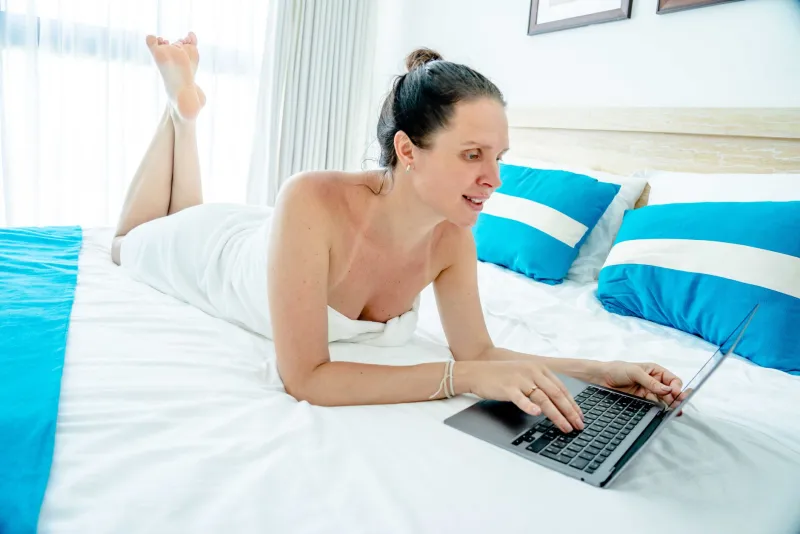
There's a version of your Langkawi trip where you check in, get handed a standard room facing the parking structure, and spend the first two days figuring out what you wish you'd asked for. And there's another version where the front desk greets you by name, your room has already been noted for a quiet upper-floor location, and there's a fruit platter waiting because you mentioned in an email that it was your anniversary.
The difference between those two experiences is almost always a single email sent at the right time.
Hotel staff — especially at the kind of mid-range and upscale resorts that populate Langkawi's most scenic corners — genuinely want to deliver a memorable stay. But they can't customize an experience they know nothing about. Pre-arrival communication is how you shift from anonymous booking number to actual guest with a story. And it costs you nothing but fifteen minutes.
Why This Works Especially Well in Langkawi
Langkawi's hotel culture leans toward hospitality in a way that rewards guests who engage. Malaysian hospitality has a warmth and attentiveness to it that goes beyond scripted service — staff at many of the island's properties take genuine pride in making guests feel looked after. When you reach out before you arrive, you're not being demanding. You're giving them the information they need to do what they already want to do.
Additionally, many Langkawi resorts operate at lower occupancy than comparable properties in Bali or Phuket, particularly outside peak season. That means the front desk manager often has real flexibility on room assignments — and a pre-arrival email is exactly the kind of thing that puts your reservation on their radar before the check-in shift starts.
When to Send It
Timing matters more than most travelers realize. Too early and your email gets buried. Too late and there's no time to act on it.
The sweet spot is 3 to 5 days before your arrival. This is early enough that housekeeping and front office teams can flag your reservation, but recent enough that your email is still near the top of the inbox when the team does their pre-arrival review.
If you have a specific accessibility need or a significant celebration (honeymoon, milestone birthday, anniversary), send a heads-up email at booking and then follow up again 3-5 days out to confirm.
What to Actually Include
This is where most travelers who do send pre-arrival emails go wrong — they either ask for too much in a way that feels demanding, or they keep it so vague that the hotel can't act on it. Here's what to include and how to frame it.
Your arrival details. Give them your flight number and estimated arrival time. If you're coming in late — say, after 9 PM — mention it explicitly. Hotels often hold room assignments until late-arriving guests check in, and knowing your timeline helps them plan. If you're arriving early and hoping for early check-in, ask politely rather than assuming.
Room preferences (specific, not generic). "A nice room" helps no one. "A higher floor away from the elevator, and if possible with an ocean-facing view rather than garden-facing" gives the front desk something to work with. Mention if you have a preference for a quieter wing, need a room with a bathtub rather than shower-only, or want to be close to or far from a specific amenity.
Any celebrations or occasions. Hotels love this information and act on it more often than you'd expect. Mention your honeymoon, anniversary, or birthday without making it a demand. A simple "we're celebrating our fifth anniversary on this trip" is enough. You're not asking for a free upgrade — you're giving them context that many properties will use to add a personal touch.
Loyalty program details. If you're a member of the hotel's loyalty program or a partner program, include your membership number and tier in the email even if it's already in your booking. It reinforces your status and signals that you're a returning customer worth investing in.
Accessibility or dietary needs. If anyone in your party has mobility considerations, requires a specific bed configuration, or has a dietary restriction that would affect breakfast or in-room amenity choices, this is the place to mention it. Don't assume the booking form captured it accurately.
A genuine question. End your email with one real question about the property — something you actually want to know. Ask about the best time to visit the pool to avoid crowds, whether the hotel can arrange a specific type of activity, or what the signature dish at their restaurant is. This turns a one-way information dump into a conversation, and it signals that you're an engaged, thoughtful guest rather than someone running through a checklist.
A Template You Can Actually Use
Here's a starting point you can adapt for your own stay:
Subject: Upcoming Reservation — [Your Name], Arriving [Date]
Hi there,
I wanted to reach out ahead of my stay arriving on [date] — reservation number [XXXXX]. My flight gets in around [time], so I expect to reach the hotel by approximately [time].
A couple of preferences if anything is available: I'd love a room on a higher floor, and quieter over ocean-view if I have to choose. We're actually celebrating our [occasion] during this trip, which we're really looking forward to.
I'm also a [loyalty program] member — number [XXXXX] — if that's helpful to have on file.
One question: is there a particular time of day you'd recommend for the sunset view from the property? We don't want to miss it on the first evening.
Looking forward to the stay — thanks in advance for any help.
[Your Name]*
Keep it under 200 words. Warm but direct. No demands, no ultimatums, no "I expect" language. Just information and one genuine ask.
What Happens on the Hotel's End
At most well-run Langkawi properties, pre-arrival emails get reviewed by a guest relations manager or front office supervisor before your check-in date. Your reservation gets flagged. Notes get added. Housekeeping might be asked to add something to the room. The front desk team knows your name before you walk in.
None of this is guaranteed — hotels are busy operations and not every request can be accommodated. But the probability of getting a better room assignment, a small welcome gesture, or genuinely attentive service goes up measurably when you've made the effort to communicate in advance.
The Guests Who Don't Send This Email
They're not doing anything wrong. They'll have a fine stay. But they'll also spend their first morning figuring out that their room is directly above the outdoor bar, or that they didn't realize they could have requested a crib for the toddler before they arrived, or that the hotel would have happily arranged a private sunset dinner if anyone had asked.
Fifteen minutes and one email. It's the lowest-effort upgrade strategy in travel, and it's sitting there waiting for you to use it.