How to Book a Langkawi Hotel at Half Price — And Actually Enjoy the Trip
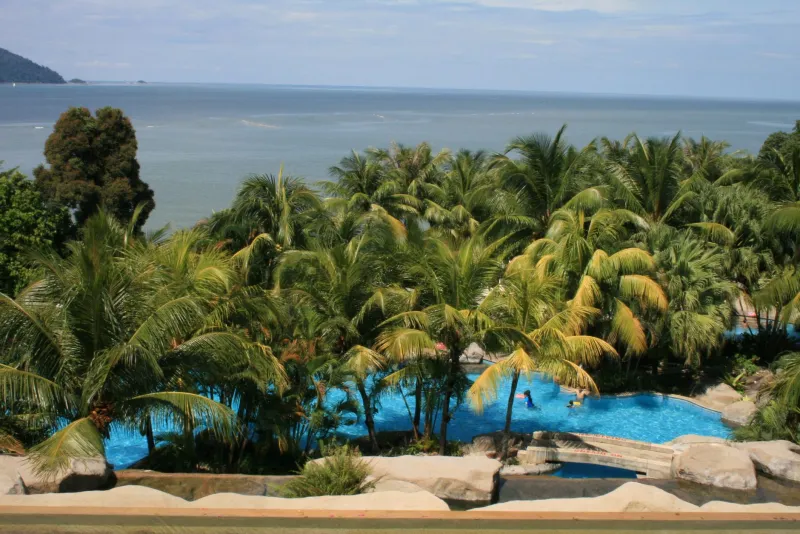
Here's a travel truth that doesn't get said often enough: the "best time to visit" a destination and the "best time to get a deal" are almost never the same window. And in Langkawi, the gap between those two periods is where some genuinely savvy American travelers are quietly scoring incredible hotel rates — without coming home waterlogged and miserable.
The key is understanding that Langkawi's weather isn't a simple on/off switch. It's a pattern with textures, and once you learn to read it, the discount calendar starts making a lot more sense.
Langkawi's Climate in Plain English
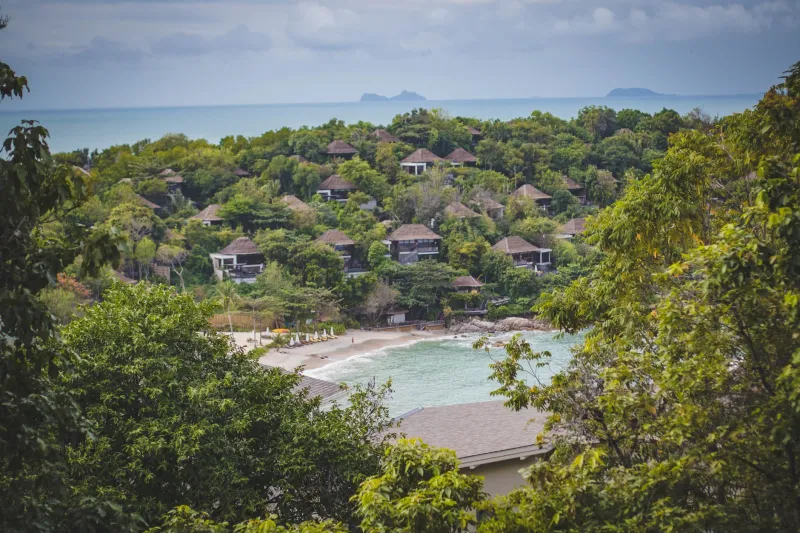
Langkawi sits off the northwest coast of peninsular Malaysia, which puts it in a slightly different weather pattern than destinations further south or east. The island gets two broad seasons: a dry season that runs roughly from November through April, and a wetter period that builds from May and peaks between September and October.
But "wetter" doesn't mean "wash out." Even at the height of the rainy season, Langkawi typically sees rain in concentrated bursts — often in the late afternoon or evening — rather than all-day downpours. Mornings are frequently clear. Humidity is high, sure, but the island's lush landscape is part of what makes it beautiful, and that green comes from somewhere.
The real sweet spots for deal-seekers are the shoulder periods on either side of the peak season: May through early June, and late October through early November. These weeks offer meaningfully reduced hotel rates while still delivering weather that's perfectly acceptable — sometimes surprisingly good — for a beach and nature-focused trip.
The Discount Windows That Actually Deliver
Late May to Mid-June
This is arguably the most underrated window in Langkawi's travel calendar. European and Australian school holidays haven't kicked in yet, the Chinese New Year crowds are long gone, and the rains haven't fully settled in. Mornings tend to be calm and clear. Afternoons can bring some clouds and occasional showers, but nothing that derails a day of island-hopping or mangrove kayaking.
Hotel rates in this window can drop 30-45% compared to peak season. A resort that lists at $320 a night in December might be sitting at $175-$190 in late May. For a week-long trip, that's potentially $900 or more back in your pocket — enough to fund a pretty serious upgrade elsewhere in your trip.
Late October to Early November
This is the end of the wettest stretch, and the island is transitioning back toward its dry season. Weather can still be unpredictable in the first half of October, but by the final week of October and into early November, conditions start to stabilize noticeably. You'll catch some of the tail-end discount pricing — hotels are still in "low season" mode — while the weather is genuinely improving day by day.
This window works especially well for travelers who want to pair beach time with more activity-focused experiences like trekking in Machinchang, visiting Kilim Karst Geoforest Park, or exploring the island's waterfalls. Those attractions are actually better with some recent rain — the waterfalls run fuller, the forest is vibrant, and the crowds are thin.
What You Can Actually Do in the Off-Season
Let's be honest about what works and what doesn't.
If your primary goal is 8 hours a day of uninterrupted beach time with flat calm water and zero clouds, the shoulder season is not your window. Book December through February and pay peak rates. That's a fair trade.
But if your trip includes any mix of the following, the shoulder season is genuinely competitive:
- Island hopping and snorkeling — mornings are typically calm enough, and operators adjust schedules around weather windows
- Mangrove and geoforest tours — these are often better in lower tourist traffic periods; guides have more time for you
- Langkawi's food scene — hawker stalls, local restaurants, and night markets don't close for weather
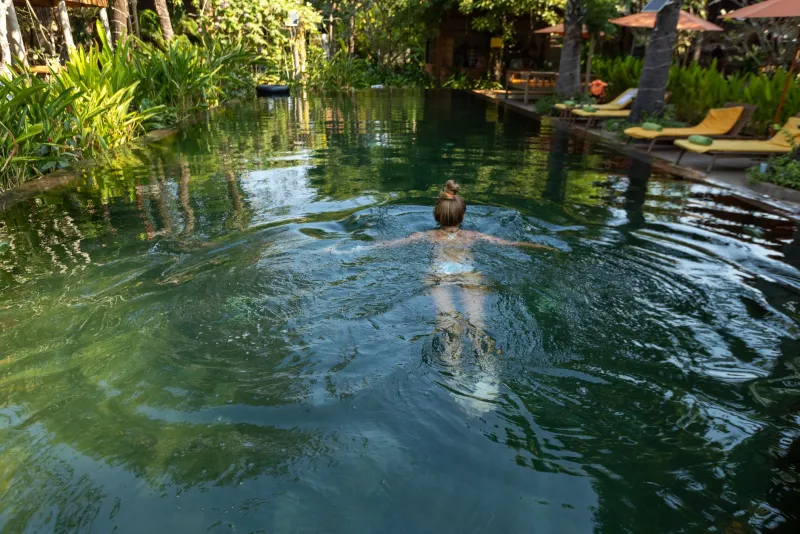
- Spa and wellness stays — honestly, a rainy afternoon at a resort spa is not a hardship
- Photography — the dramatic cloud formations and post-rain light during shoulder season can produce images that look nothing like the standard tropical postcard
How to Actually Lock In the Best Rates
Knowing the right weeks is only half the equation. Here's how to translate that knowledge into a real booking.
Book direct when possible. Langkawi's hotels — especially independent and boutique properties — often have their best rates on their own websites, particularly for shoulder season stays. Call or email the property directly and ask whether they have unpublished rates for the dates you're considering. It works more often than you'd expect.
Set rate alerts for your target dates. Tools like Google Hotels and Hopper let you track price movements for specific dates. Shoulder season rates can fluctuate, and sometimes a property drops its pricing further as the dates approach and inventory doesn't fill.
Look for minimum-stay deals. During quieter periods, many Langkawi resorts offer "stay 4 nights, pay 3" or similar promotions that aren't always prominently advertised. Check the hotel's own promotions page or ask directly.
Don't ignore boutique properties. The large international chain resorts in Langkawi are competitive on price during peak season because of loyalty program demand. During shoulder season, smaller boutique properties often undercut them significantly while offering a more personalized experience.
The Practical Reality Check
A few things worth knowing before you commit to a shoulder season booking:
Some beach clubs and water sports operators in Langkawi reduce their hours or close temporarily during the wettest weeks (mid-September to mid-October specifically). If those are central to your trip, factor that in.
Flights to Langkawi via Kuala Lumpur are generally available year-round, but shoulder season can mean fewer direct connections from KUL — worth checking before you finalize your itinerary.
Travel insurance that covers weather disruptions is a smart add-on for any shoulder season trip, not just Langkawi. It's inexpensive and gives you flexibility if conditions are worse than typical.
Worth the Timing Game?
For a lot of American travelers, the answer is yes — especially if your trip is 7+ nights and you're staying at a mid-range or luxury property. The savings compound quickly at higher nightly rates, and the experience difference between shoulder season and peak season is smaller than the price difference suggests.
The travelers who come back most satisfied from off-peak Langkawi trips tend to be the ones who went in with realistic expectations and an itinerary that wasn't entirely dependent on perfect beach weather. Come curious, stay flexible, and the island will deliver — for a lot less money than you'd pay in December.