What Langkawi Hotel Staff Are Actually Watching For — And How It Gets You Upgraded
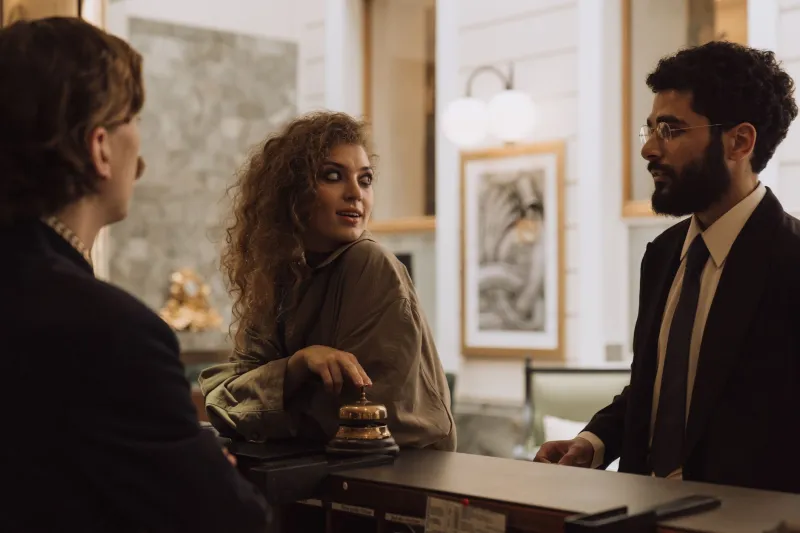
Here's something most travelers never figure out: the difference between the guest who gets quietly moved to a sea-view suite and the one who stays in the standard room they booked isn't always about points, status, or luck. A lot of the time, it comes down to behavior — specifically, the kind of behavior that front desk staff notice in the first few minutes of an interaction.
We spent time talking to hotel managers and front desk professionals at properties across Langkawi — from the boutique resorts tucked into the jungle near Pantai Cenang to the larger luxury properties along the northern coast — and what they told us reframes the whole idea of "getting upgraded." It's less about gaming the system and more about understanding the psychology of hospitality. Here's what they actually said.
The First Thirty Seconds Matter More Than You Think
Multiple front desk staff members mentioned the same thing independently: the moment a guest walks through the lobby door, an impression forms. That doesn't mean you need to arrive in a blazer. What it does mean is that the energy you bring to check-in sets a tone.
"When someone comes in stressed, already complaining about the taxi or the heat, we're in damage-control mode from the start," one front desk manager at a mid-range Pantai Tengah property told us. "But when someone walks in relaxed, smiling, maybe asks how our day is going — that's a different conversation entirely. We want to make that person's stay special."
This isn't about performing happiness. Staff are good at reading authentic versus forced. It's more about arriving with patience — especially if there's a line, especially if you've just landed after a long haul from the US. Give yourself a mental reset before you hit the front desk. The flight is over. You're in Langkawi. That attitude shift is visible, and it matters.
Use the Person's Name — Theirs, Not Just Your Reservation Number
American travelers in particular tend to lead with confirmation numbers and booking platform screenshots. That's understandable — it's efficient. But there's a small shift that several staff members flagged as genuinely impactful: learning the name of the person helping you and using it.
"When a guest reads my name tag and says 'thank you, Ahmad' instead of just grabbing their key card and walking off, I remember that person," one senior front desk agent told us. "And I think about whether there's anything I can do for them during their stay."
This isn't manipulation. It's basic human acknowledgment, and in the hospitality industry — where staff often feel invisible to guests — it lands with real weight. The guests who treat hotel workers like people rather than service functions are the ones who end up with the quiet corner suite overlooking the Andaman Sea.
Mention the Occasion Naturally, Not Strategically
Every travel blog tells you to mention your honeymoon or anniversary at check-in. Hotel staff have heard this advice recycled so many times that a certain kind of announcement — the one that feels like it's angling for a free fruit basket — is immediately recognizable.
What actually works, according to the managers we spoke with, is mentioning context naturally in conversation. Not as a pitch, but as genuine sharing.
"There's a difference between someone who says 'by the way, it's our anniversary, just so you know' with this expectant pause — and someone who mentions it in passing while chatting, like they're just talking to another person," explained a guest relations manager at one of Langkawi's higher-end resorts. "The second one feels real. That's the person we want to surprise."
If you have a reason to celebrate, share it like you're talking to a friend, not filing a request.
Flexibility Signals Trust — And Trust Gets Rewarded
One of the more unexpected things we heard from multiple properties: guests who express flexibility tend to get more in return. This sounds counterintuitive — shouldn't you advocate for exactly what you want? But there's a nuance here.
If a hotel is in a transitional period between checkouts and your room isn't quite ready, the guest who says "no rush, I'll grab a coffee in the lobby" is creating goodwill. The guest who pushes hard for immediate access, regardless of the situation, is creating friction.
"We always try to make it up to someone who's been patient with us," one front desk supervisor told us. "Sometimes that means a room that's actually better than what they originally booked, because it's the one that came available first. It's not a formal policy. It just happens."
This is the hospitality ecosystem working the way it's supposed to. Flexibility from the guest creates space for generosity from the staff.
The Follow-Up That Most Guests Never Bother With
Here's something almost no one does: checking back in with the front desk after a day or two to say things are going well. Most guests only return to the desk when something's wrong.
"When a guest stops by just to say they had an amazing dinner at the restaurant we recommended, or that the snorkeling trip we arranged was incredible — that's rare," said a concierge at a resort near Burau Bay. "And that guest? We're thinking about them for the rest of their stay. What else can we do for them?"
A thirty-second positive check-in mid-stay costs nothing and signals that you're engaged, appreciative, and worth investing in. It also keeps your name and face fresh in the minds of the people who control room assignments, late checkout approvals, and complimentary add-ons.
What Doesn't Work — And Why
For balance, we asked staff directly about the tactics that backfire. The answers were consistent: name-dropping status levels aggressively, making implied threats about online reviews, or leading with complaints about the booking price all tend to put staff on the defensive rather than in generous mode.
"If someone tells me they're a Gold member and they 'expect' an upgrade, I can see the availability same as always — but I'm less motivated to go out of my way," one manager admitted. "Entitlement doesn't inspire generosity. Warmth does."
The Bigger Picture
What all of this points to is something that feels almost too simple: the guests who get the most out of Langkawi's hotel scene are the ones who show up as decent, curious, appreciative humans. Not travelers working an angle, but people who are genuinely excited to be somewhere beautiful and treat the staff helping them like they matter.
Langkawi's hospitality culture runs deep — Malaysian warmth is real, and hotel staff here take genuine pride in their work. When guests meet that energy with their own, the result isn't just better service. It's the kind of travel experience you actually remember.
And sometimes, it comes with a sea-view upgrade you never had to ask for.