Stay Longer, Spend Less, Keep Your Job: The American Traveler's Guide to Extending Your Time in Langkawi
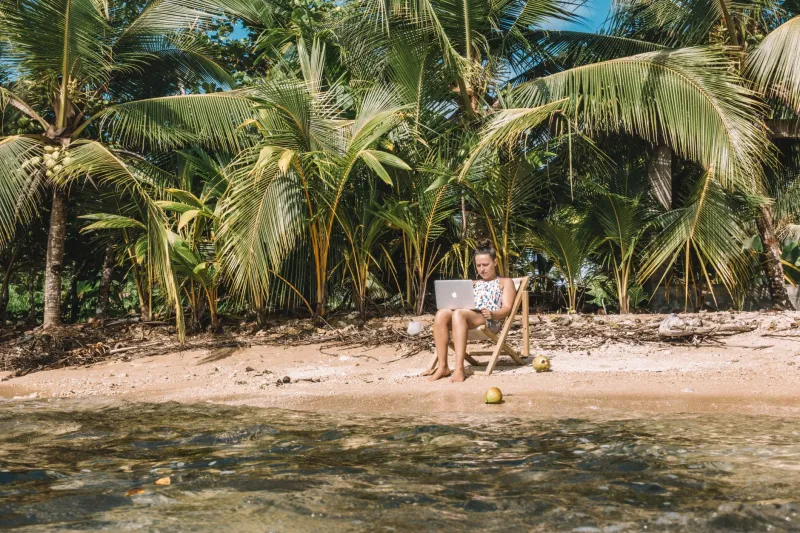
You've been in Langkawi for ten days. The sunsets haven't gotten old. Your hotel has figured out exactly how you take your coffee. You've stopped checking Slack every five minutes. And then it hits you — your flight home is in four days, and the idea of going back feels genuinely painful.
Here's the thing most American travelers don't realize until it's too late: you don't necessarily have to leave.
Malaysia has one of the more traveler-friendly entry systems in Southeast Asia, and Langkawi — as a designated duty-free island — has its own quirks that make longer stays surprisingly doable. Whether you're a remote worker, a freelancer, or someone who just negotiated a solid PTO block, here's how to make your Langkawi trip last longer than your average American vacation.
What You Actually Get on a Standard US Passport Entry
First, the baseline. American citizens entering Malaysia don't need a visa in advance. You show up, you get stamped, and you're good for 90 days. That's not a typo. Ninety days. Most people book ten nights and fly home without ever knowing they were sitting on three months of legal stay.
That 90-day window covers a single entry and is granted at the discretion of the immigration officer, though US passport holders almost universally receive the full allowance. No fees, no pre-approval, no paperwork — just a stamp and a smile.
So if you've been operating under the assumption that Malaysia kicks you out after two weeks, that assumption is wrong. You've got a much longer runway than you think.
The Langkawi Angle: Why This Island Is Especially Good for Long Stays
Langkawi's status as a duty-free zone isn't just about cheap chocolate and discounted booze at the airport. It has broader economic implications that make the island genuinely affordable for longer visits in a way that, say, Kuala Lumpur or Penang isn't quite the same.
Groceries are cheaper. Alcohol — if that's your thing — is dramatically cheaper than the Malaysian mainland. Fuel is subsidized. And because Langkawi has built its economy around tourism, there's an entire infrastructure designed to keep visitors comfortable for extended periods.
Hotels here know their guests sometimes stay for weeks, not just weekends. Many properties offer monthly rates or extended-stay discounts that aren't always advertised upfront but are absolutely on the table if you ask. A room that runs $120 a night at standard rates might drop to $70 or $80 per night when you're booking three to four weeks at a stretch. That math adds up fast.
What Remote Workers Need to Know
If you're working remotely — and statistically, a lot of you are — Malaysia doesn't currently require a separate digital nomad visa for short-to-medium stays. Working remotely for a foreign employer while on a tourist entry is a gray area in many countries, but Malaysia has been notably relaxed about this, particularly compared to stricter destinations in Europe or the Americas.
That said, Malaysia did launch a DE Rantau Nomad Pass specifically for digital nomads. It's a 12-month renewable visa designed for remote workers earning above a certain income threshold (currently around $24,000 USD annually). The application is done online, the fees are reasonable, and it gives you legitimate long-stay status without the awkwardness of technically overstaying a tourist entry — even if you're technically within your 90 days.
For Americans who want to be completely above board, or who are planning to make Malaysia a recurring base, DE Rantau is worth the paperwork.
The Visa Run Question: Is It Worth It?
If you've spent any time in Southeast Asia travel forums, you've heard about the "visa run" — leaving a country briefly to reset your entry stamp. In Malaysia's case, this can mean a short trip to Thailand, Singapore, or even just taking a ferry to the Thai border town of Satun and coming back.
Honest answer: for most Americans, this isn't necessary. Ninety days is a long time. But if you're building a lifestyle that involves returning to Langkawi regularly, or if you want to extend beyond that initial stamp, a border run is a real and legal option that plenty of long-term travelers use.
What's worth knowing is that Malaysian immigration has gotten more attentive about people who appear to be living in the country on perpetual tourist entries. If you're doing multiple back-to-back 90-day stays, you may get questions at the border. Having documentation of your remote work situation, proof of income from abroad, and hotel bookings helps. This is another reason the DE Rantau visa exists — it's the cleaner solution for anyone making Malaysia a genuine base.
How Langkawi Hotels Actually Support Extended Stays
This is where it gets practical. If you're planning to stay for three or four weeks, you need more than a nice pool view. You need a workspace, reliable Wi-Fi, laundry access, and a kitchen — or at least easy access to affordable food.
Langkawi delivers on all of this. Many mid-range and boutique hotels offer rooms with kitchenettes or in-room coffee setups. Properties targeting the longer-stay market often provide weekly housekeeping rather than daily, which actually feels less intrusive when you've turned a room into a temporary home office.
When you're booking, it's worth calling or emailing the hotel directly — not just booking through a third-party platform — and asking specifically about extended-stay rates. Mention how long you're planning to stay and ask what they can do. You'd be surprised how often a hotel will throw in complimentary airport transfers, a room upgrade, or a discount that doesn't exist anywhere on their website.
Coworking spaces have also started appearing in Pantai Cenang and around Kuah town, giving remote workers a change of scenery and a faster internet connection when the hotel Wi-Fi isn't cutting it.
The Financial Reality of Staying Longer
Here's the part that surprises most Americans: staying longer in Langkawi often costs less per day than a shorter trip. Once you've paid for the flight — which is usually the biggest single expense — the daily cost of being on the island drops significantly compared to what you'd spend at home.
Rent (via hotel or short-term rental), food, transportation, and entertainment in Langkawi can run comfortably between $60 and $130 per day for a solo traveler, depending on your style. That includes a decent hotel room, three meals, and getting around. For a couple, the per-person cost drops further.
Compare that to what your regular life at home costs — mortgage or rent, car payments, eating out, subscriptions — and the math starts looking interesting.
Before You Book the Extension
A few things to sort out before you commit to a longer stay:
- Check your health insurance. Most US plans have limited international coverage. Travel insurance with medical coverage is non-negotiable for stays of a month or more.
- Notify your bank. Extended international card use can trigger fraud alerts. A quick call before you leave saves headaches later.
- Sort your work setup. Time zone difference between Langkawi and the US East Coast is 12 hours. West Coast is 15. This is manageable but requires honest conversation with your team.
- Get your medications sorted. Bring more than you think you'll need. Some US prescriptions are available in Malaysia but not all.
Langkawi has a way of making you want to stay longer than you planned. The good news is, with a little preparation, that impulse doesn't have to be just a fantasy.